
DSLR vs mirrorless: which one should you choose?
Both kinds of camera make excellent pictures, and the main difference is what happens inside the body when you press the button. Here is the difference in simple words, with real models you can hold at our Gurgaon shop.
What the mirror does in a DSLR
DSLR stands for digital single lens reflex. Inside is a small mirror that sits at an angle behind the lens. Light comes through the lens, hits the mirror, bounces up to a prism and reaches your eye. That is the optical viewfinder. You see the real scene through glass.
When you press the shutter, the mirror flips up so light can reach the sensor. Then it flips back down. That quick flip is the click you hear.
The result is a clear, lag-free view and a body with a solid grip. The cost is a bulkier camera with more moving parts.
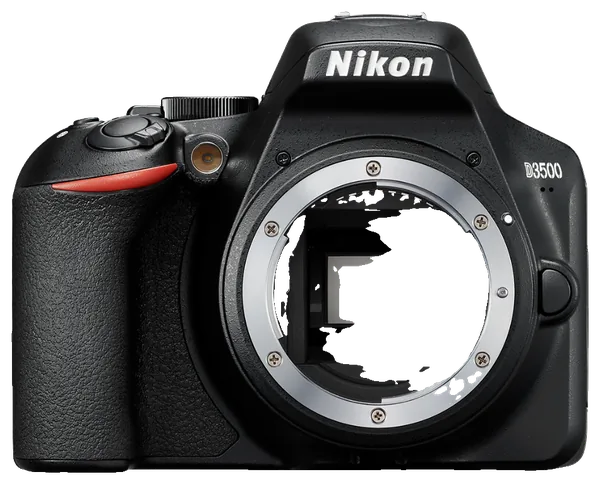
Nikon D3500
APS-C · F mount
Call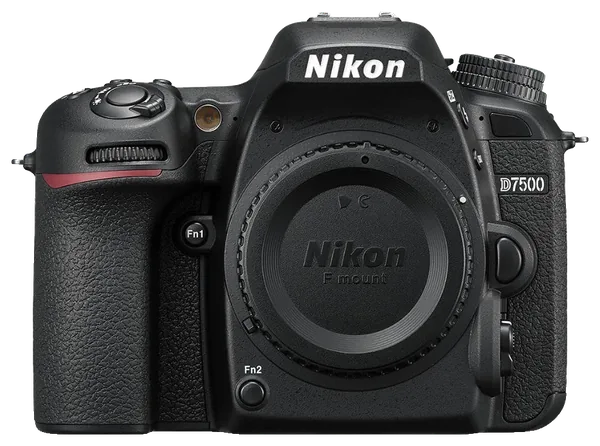
Nikon D7500
APS-C · F mount
Call
Canon EOS 1500D
APS-C · EF mount
Call
Nikon D780
Full-frame · F mount
Call
What mirrorless does differently
A mirrorless camera has no mirror and no prism. Light goes straight to the sensor all the time. The camera then shows you that picture on the back screen or in a small electronic viewfinder.
With the mirror box gone, bodies can be smaller. The Canon EOS R100 is listed at about 356g for the body, and the Fujifilm X-M5 is listed as the lightest in its X Series at 355g.
Mirrorless also shows you the result before you shoot. If you make the picture brighter or change the look, the screen shows it live. A beginner can learn faster this way.
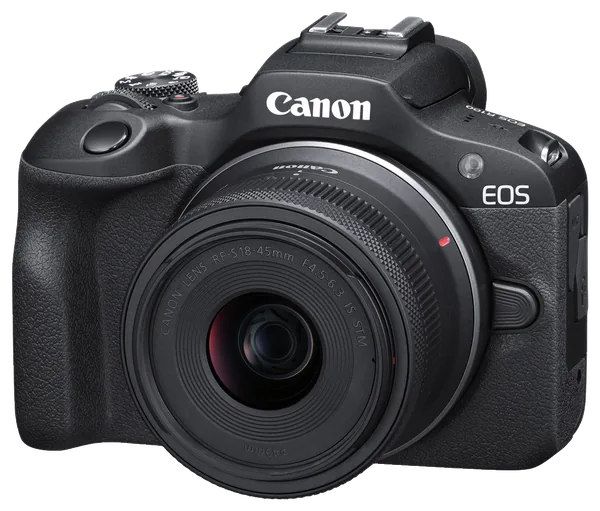
Canon EOS R100
APS-C · RF mount
Call
Fujifilm X-M5
APS-C · X mount
Call
Sony Alpha 6100
ILCE-6100
APS-C · E mount
Call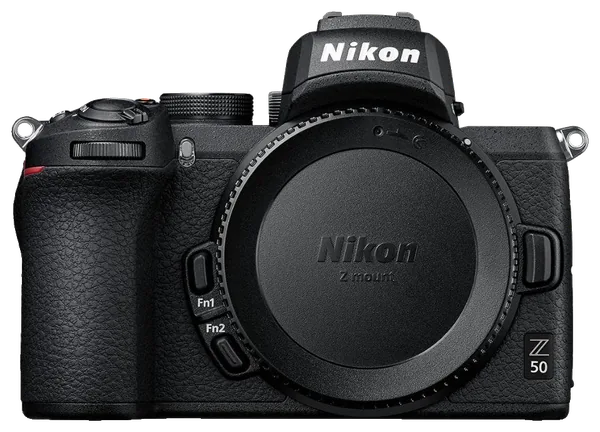
Nikon Z 50
APS-C · Z mount
Call
Viewfinder: optical or electronic
With an optical viewfinder you look at the scene itself. Some people love the natural feel. With an electronic viewfinder you look at a tiny screen inside the eyepiece. It can show your exposure, a level line and focus aids.
Neither is wrong. Walk around our shop and look through both. Many people know in a minute which one feels right.
Think about how you hold a camera. Many people with large hands like the deep grip of a DSLR. Others like a slim body that slides into a bag. Both choices are fair, and there is no wrong answer here.
Lens mounts: the part people forget
A mount is the ring where the lens locks onto the body. It is not the same across brands. Nikon DSLRs use the F mount. Canon DSLRs like the EOS 1500D use EF. Mirrorless cameras use newer mounts: Canon RF, Nikon Z, Sony E and Fujifilm X.
A lens made for one mount will not simply fit another. If you already own DSLR lenses, a DSLR body keeps them working. If you are starting new, a mirrorless mount is where each maker is building its newer lenses.
Look at the kit lenses too. The Nikon AF-P DX Nikkor 18-55mm is made for DX-format Nikon DSLRs and has VR image stabilisation. The Nikkor Z DX 16-50mm is a Z-mount lens for APS-C bodies, described as the smallest of lenses.
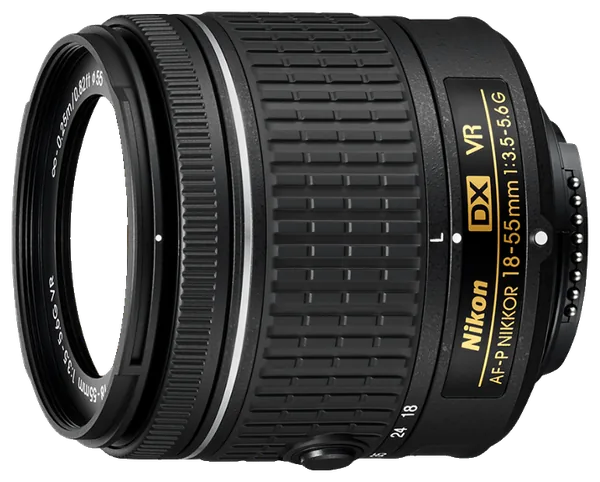
Nikon AF-P DX Nikkor 18-55mm f/3.5-5.6G VR
AF-P DX 18-55mm f/3.5-5.6G VR
18-55 mm · f/3.5-5.6
Call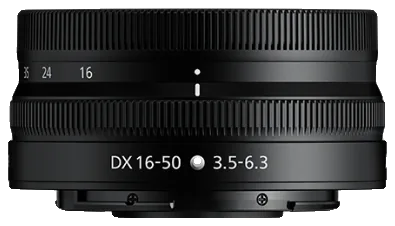
Nikon Nikkor Z DX 16-50mm f/3.5-6.3 VR
16-50mm · f/3.5-6.3
Call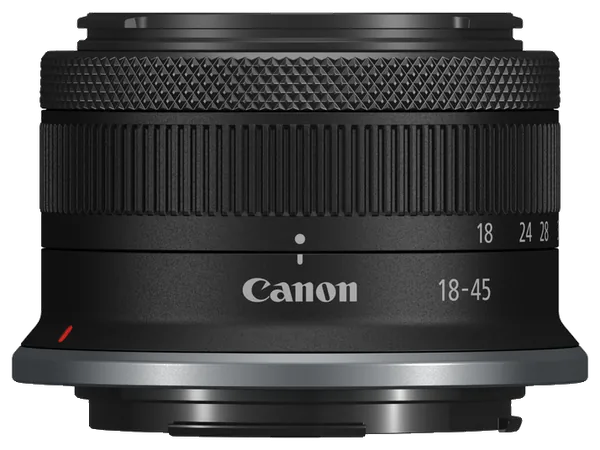
Canon RF-S18-45mm f/4.5-6.3 IS STM
18-45mm · f/4.5-6.3
Call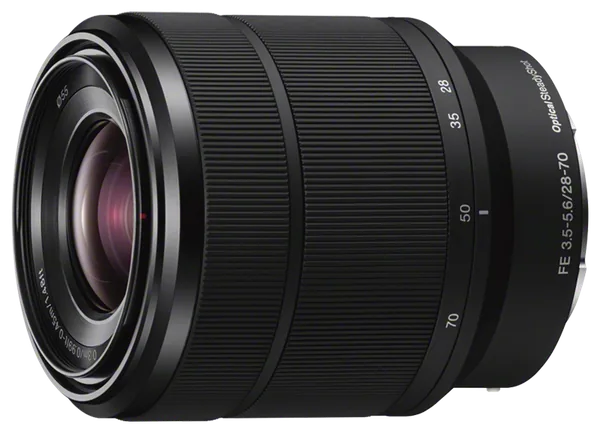
Sony FE 28-70 mm F3.5-5.6 OSS
SEL2870
28-70 mm · f/3.5-5.6
Call
Video, speed and autofocus
For video, mirrorless has the edge. The sensor is always live, so it can track faces and keep focus while you record. The Canon EOS R50 records 4K 30p, and the EOS R10 does 4K 60p. The Sony Alpha 6100 lists real-time tracking and eye autofocus.
DSLRs can shoot video, but focus is usually slower in live view. Some, like the Nikon D780, are described as bringing autofocus breakthroughs for stills and video.
If you shoot still photos of slow subjects, a DSLR is perfectly fine. If you shoot video or fast action, lean mirrorless.
Another point is battery use. A DSLR with an optical viewfinder uses very little power just to show you the scene. A mirrorless body powers a screen or eyepiece all the time. If you shoot a long day, ask us about spare batteries for the body you like.
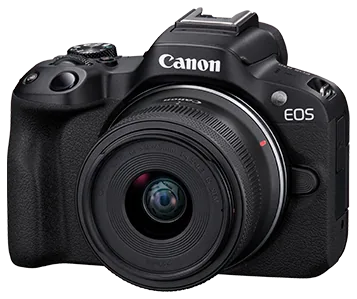
Canon EOS R50
APS-C · RF mount
Call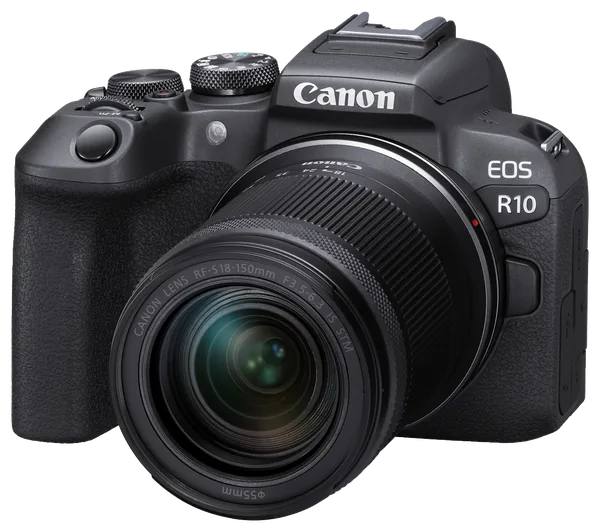
Canon EOS R10
APS-C · RF mount
CallSony Alpha 6100
ILCE-6100
APS-C · E mount
Call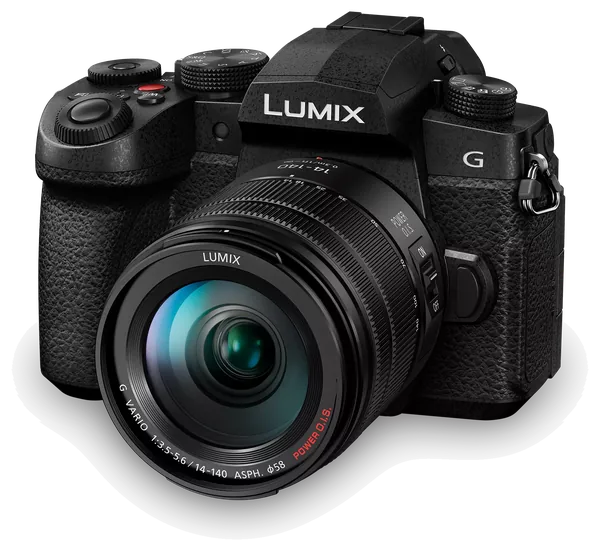
Panasonic LUMIX G97
DC-G97
Micro Four Thirds · Micro Four Thirds mount
Call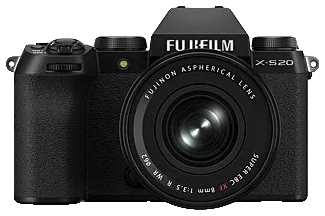
Fujifilm X-S20
APS-C · X mount
Call
So which should you pick?
Choose a DSLR if you like an optical viewfinder, you own F or EF lenses, or you want a simple first camera. Choose mirrorless if you want a smaller body, a live view and better video.
Come in and hold a Nikon D3500 next to a Canon EOS R50. Feel the weight, look through the viewfinders, and choose what fits you. Our shop is Shop 230, City Centre Mall, MG Road, Gurgaon.
Think about the next three years, too. If you expect to add lenses, ask which mount the maker is growing. Our staff can show you the lens range for Canon, Nikon, Sony, Fujifilm and Panasonic so you can see what each mount can do.
Questions people ask
Is a DSLR obsolete now?
No. DSLRs still make sharp pictures and many people enjoy the optical viewfinder. Newer lens development, though, is mostly on the mirrorless mounts.
Can I use my old DSLR lenses on a mirrorless body?
Sometimes, with an adapter made for that pair of mounts. It depends on the brand, so bring your lens and ask us to check the match.
Why does the mirrorless camera show the picture before I shoot?
There is no mirror, so the sensor sees the scene all the time and sends it to the screen or electronic viewfinder. You see changes in brightness and look as they happen.
Come to the store
Shop 230, 2nd floor, City Centre Mall, Mehrauli-Gurgaon Rd, Sector 28, Gurugram, Haryana 122002
Open 11:30 AM to 9 PM, all seven days
Serving Gurgaon and Delhi NCR from MG Road, Gurugram.